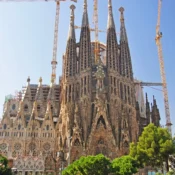
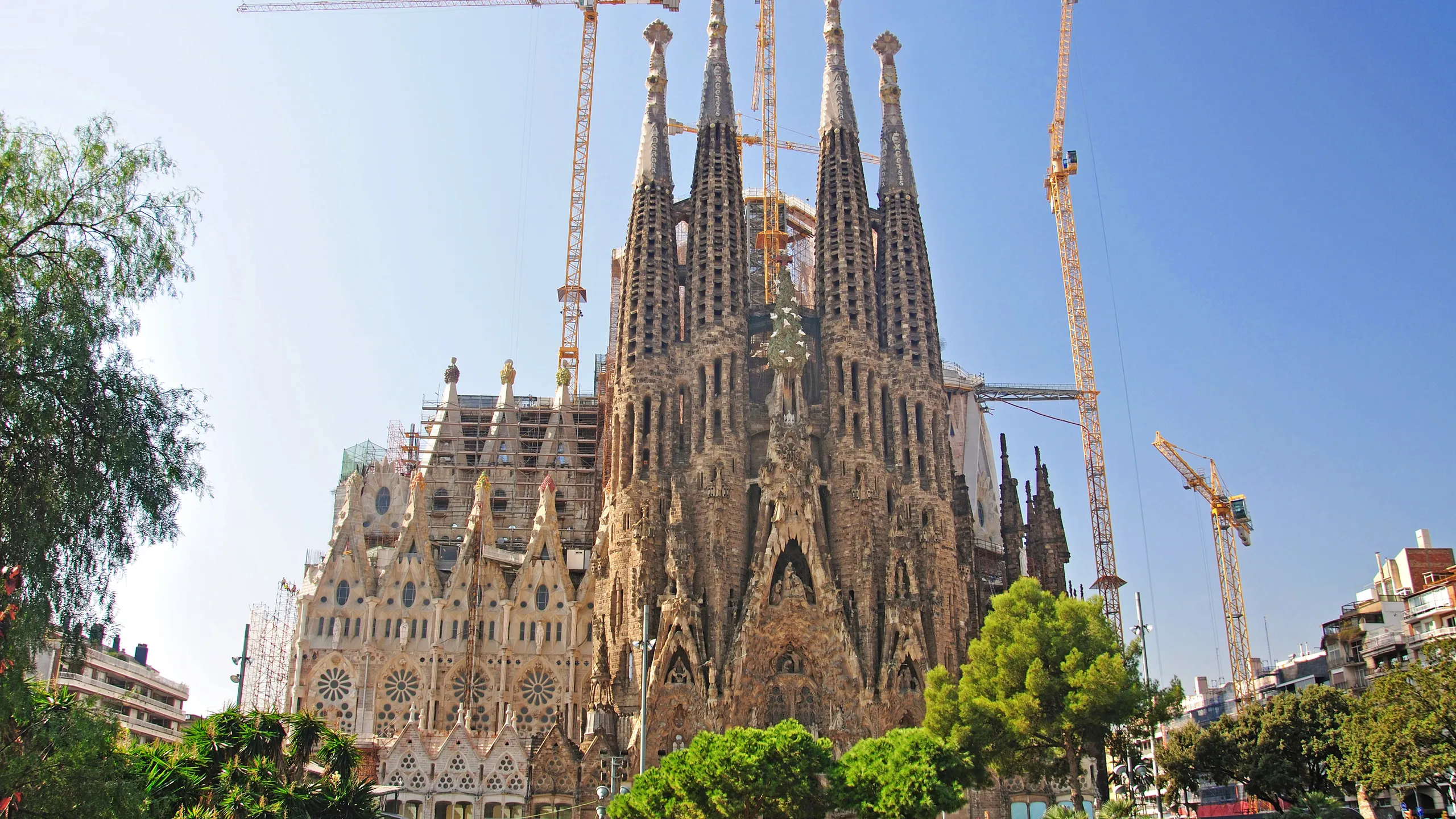
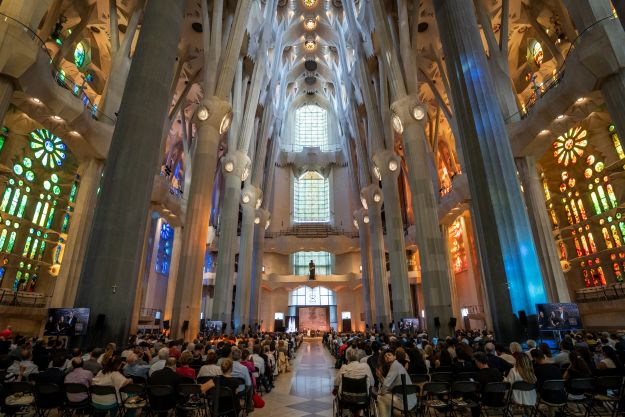
The central nave of the Basilica of the Sagrada Família in Barcelona was transformed into an extraordinary forum for architectural reflection during a high-profile conference titled “Architectural Dialogue Between Heritage and Modernity.” The event gathered leading international figures in contemporary architecture, positioning the iconic unfinished masterpiece by Antoni Gaudí as both a physical landmark and an active space for intellectual exchange.
Organized within the framework of Barcelona World Capital of Architecture, the meeting underscored how sacred architecture can function not only as a historical monument but also as a living environment for debate on culture, identity, and the future of urban space.
A Landmark Setting for Contemporary Reflection
Hosting the conference inside the central nave of the Sagrada Família added symbolic depth to the event. Surrounded by Gaudí’s organic columns and filtered natural light, participants discussed architecture in a space that itself embodies the tension between tradition and innovation.
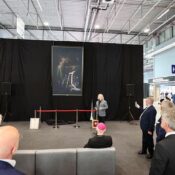
The gathering opened with a presentation and welcome by Joan Trias de Bes, PhD in architecture and member of the Sagrada Família Board of Trustees. This was followed by an introduction from Jordi Faulí, the Basilica’s chief architect, who provided contextual insights into the nave and the ongoing development of the Glory façade.
Their contributions framed the day not only as an academic meeting but as a continuation of Gaudí’s long-term architectural vision.
International Voices in Contemporary Architecture
The conference brought together some of the most influential architects of the present day, including representatives of RCR Arquitectes — Carme Pigem, Ramon Vilalta, and Rafael Aranda — awarded the Pritzker Prize in 2017, as well as Japanese architect Kazuyo Sejima, recipient of the Pritzker Prize in 2010.
Each speaker contributed a distinct perspective on the evolving relationship between historical architectural heritage and contemporary design practice.
Rather than presenting isolated lectures, the event unfolded as a shared dialogue, with recurring themes linking their reflections: the legacy of Gaudí, the responsibility of architecture in society, and the evolving definition of sacred and public space.
Gaudí’s Legacy Through a Contemporary Lens
A central focus of the discussions was the enduring influence of Antoni Gaudí and the way his architectural philosophy continues to resonate within modern practice.
Carme Pigem emphasized Gaudí’s deep engagement with natural laws, highlighting how biological structures and organic forms informed his architectural language. She noted that this approach remains relevant today, especially in a context where sustainability and environmental awareness are increasingly central to design thinking.
Rafael Aranda reflected on the Sagrada Família as a transcendent space — one that connects material form with consciousness and spirituality. In his view, the basilica functions not only as a building but as an evolving meditation on human experience.
Ramon Vilalta focused on the collective nature of the Sagrada Família, stressing that the basilica is not the work of a single architect but the result of successive generations contributing to a shared vision across more than a century.
Global Perspectives on Architecture and Meaning
Kazuyo Sejima offered a broader international perspective, presenting reflections shaped by her own architectural practice. Her contribution emphasized clarity, spatial openness, and the emotional impact of architectural environments, reinforcing the idea that architecture is not only structural but also experiential.
Meanwhile, Jordi Faulí highlighted the ongoing commitment to completing the temple while preserving Gaudí’s original intentions. He underscored the delicate balance between innovation and continuity, particularly in a project that remains unfinished yet globally recognized.
Together, these perspectives illustrated how architecture operates simultaneously as heritage, contemporary practice, and future-oriented exploration.
The Sagrada Família as a Living Forum
With an audience of approximately 1,300 attendees, the conference turned the basilica’s central nave into a vibrant intellectual space. Architects, students, researchers, and enthusiasts gathered beneath Gaudí’s towering structures, engaging in a collective reflection on the meaning and direction of architecture today.
The event demonstrated how sacred architectural spaces can extend beyond their liturgical or historical functions, becoming platforms for cultural dialogue and interdisciplinary exchange.
Rather than remaining a static monument, the Sagrada Família was temporarily reactivated as a space of conversation — where ideas about form, society, and spirituality intersected.
Architecture Between Heritage and Innovation
A key takeaway from the conference was the recognition that architecture exists in a continuous dialogue between past and present. Gaudí’s work, though rooted in a specific historical and spiritual context, continues to inspire contemporary architects facing new social, environmental, and cultural challenges.
The speakers collectively emphasized that innovation does not require breaking from heritage, but rather engaging with it critically and creatively. The Sagrada Família itself, still under construction, serves as a powerful symbol of this ongoing process.
Conclusion: A Cathedral as a Platform for Ideas
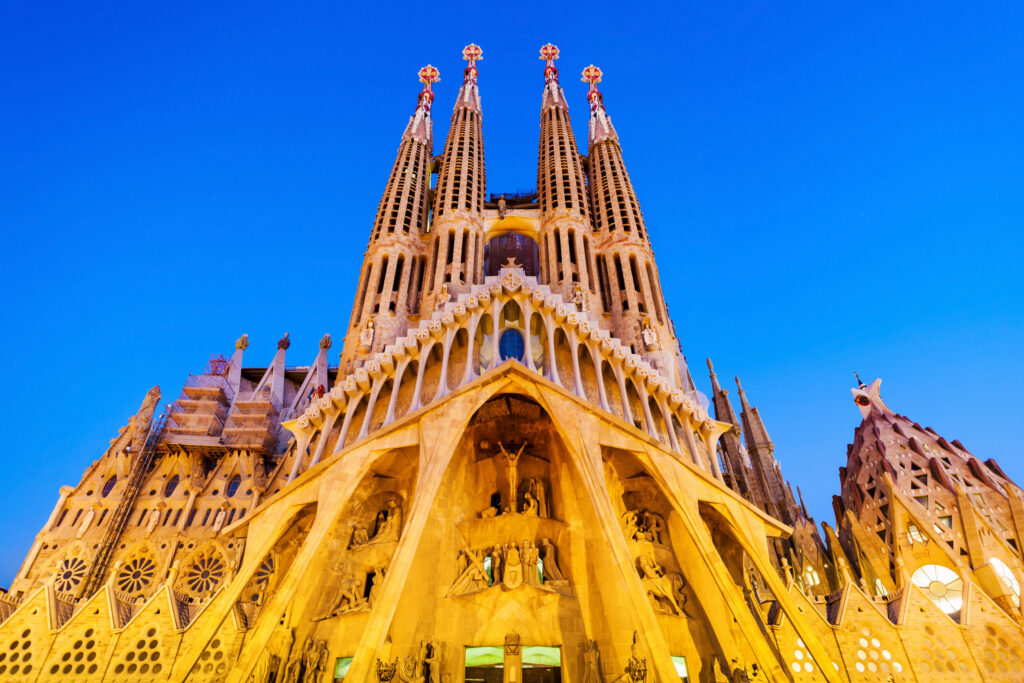
The architectural dialogue held within the Sagrada Família reaffirmed the basilica’s unique role in global cultural discourse. More than a monumental religious structure, it functions as an evolving space where architecture, history, and contemporary thought intersect.
By bringing together leading voices from different architectural traditions, the event highlighted the enduring relevance of Gaudí’s vision and the importance of continued dialogue between heritage and modernity.
In this sense, the Sagrada Família is not only being built — it is being continually reinterpreted.