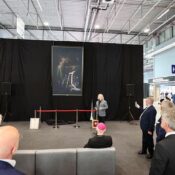
In June 2026, Wrocław became the host of a major cultural and academic exhibition titled “Sacred Heritage on View: Religious and Post-Religious Museums of the Modern Era.” The event brought together researchers, curators, and museum professionals to explore how sacred objects are preserved, interpreted, and presented in contemporary museum spaces.
Organised in collaboration between the Institute of Art History at the University of Wrocław and the Archdiocesan Museum in Wrocław, the exhibition turned scholarly discussion into a public-facing programme focused on the transformation of religious heritage in modern museum practice.
Opening Context and Curatorial Vision
The exhibition was inspired by the recent reopening of the Archdiocesan Museum in Wrocław after several years of renovation. With its refreshed permanent display launched in 2024, the institution became a central reference point for discussions about how sacred collections can be reinterpreted for modern audiences.
Rather than focusing exclusively on Catholic heritage, the exhibition expanded its scope to include religious artefacts and museum practices from multiple traditions. This broader approach positioned Wrocław as a meeting point for international dialogue on sacred heritage in both religious and secular contexts.
Core Theme of the Exhibition
At the heart of the exhibition lay a key question: what happens to sacred objects when they move from active worship into museum collections?
The exhibition examined institutions that collect and display religious artefacts in different ways, including:
- museums operated by religious organisations
- former places of worship transformed into cultural spaces
- secular museums presenting sacred heritage as historical and artistic material
- hybrid institutions combining religious identity with public exhibition functions
This framework allowed visitors to see how sacred objects continue to carry meaning even after their ritual use has ended.
Key Exhibition Sections
Transforming Sacred Objects
One of the main sections focused on the process of “musealisation” — the transformation of ritual objects into museum exhibits. Visitors were guided through examples showing how meaning shifts when objects move from spiritual practice into cultural interpretation.
From Worship Spaces to Museums
A dedicated part of the exhibition explored buildings that once served as churches, temples, synagogues, or mosques and are now used as museum spaces. These architectural transformations raised questions about how sacred atmosphere is preserved or redefined in secular settings.
Diversity of Sacred Collections
The exhibition highlighted the wide variety of materials preserved in religious and post-religious museums, including:
- paintings and iconography
- liturgical objects
- archaeological artefacts
- ethnographic materials linked to ritual practice
Curators emphasised the challenges of classifying such diverse collections within a single institutional framework.
Between Single Faith and Plural Perspectives
Another section compared museums dedicated to a single religious tradition with those presenting multiple faiths side by side. This contrast revealed different curatorial strategies and differing approaches to interfaith representation.
Secular Objects in Sacred Contexts
Visitors were also presented with examples of non-religious objects included in sacred collections. These exhibits illustrated how museums often blur the boundaries between cultural history and religious heritage.
Architecture and Meaning
The final section of the exhibition focused on museum architecture itself. It examined how the design of exhibition spaces reflects ideological choices and influences the way sacred objects are experienced by visitors.
Special Focus: Archdiocesan Museum in Wrocław
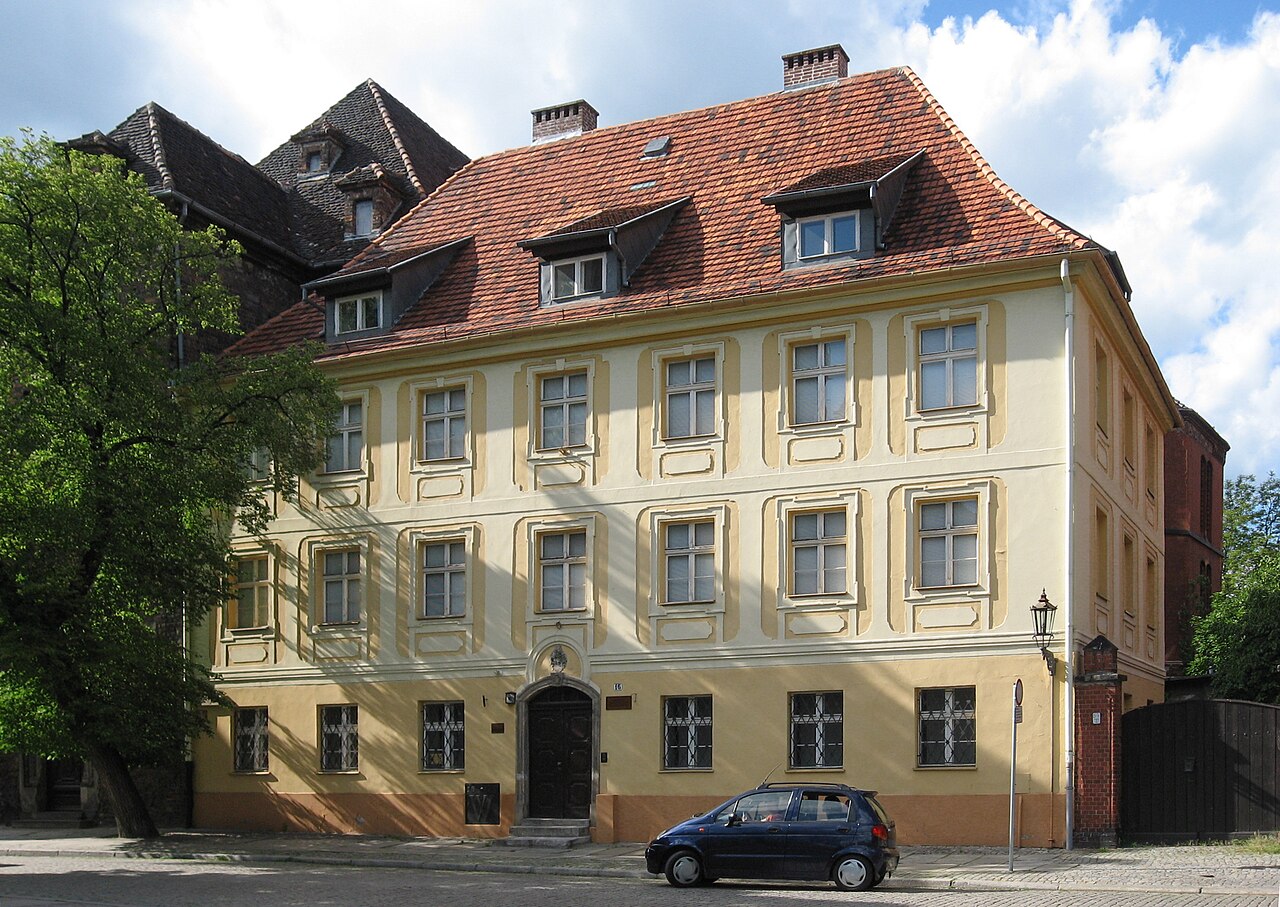
A significant part of the exhibition was dedicated to the Archdiocesan Museum in Wrocław. Its long institutional history and recent renovation were presented as a case study in the evolving role of diocesan museums.
The display highlighted how the museum balances its religious identity with its educational and cultural mission, situating it within a wider European network of institutions preserving sacred heritage.
Interdisciplinary Dialogue
Throughout the exhibition, an interdisciplinary approach was strongly emphasised. Contributions came from experts in:
- art history
- museology
- cultural and religious studies
- archaeology
- heritage research
This diversity of perspectives enriched the interpretation of exhibited materials and encouraged broader reflection on the meaning of sacred heritage today.
Programme and Format
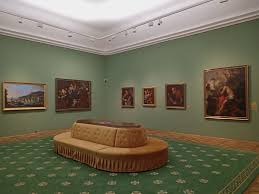
The exhibition took place across two main venues in Wrocław:
- the Institute of Art History at the University of Wrocław
- the Archdiocesan Museum in Wrocław
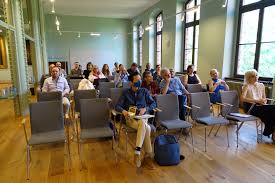
Alongside the displays, a series of presentations and discussions were held, with talks limited to 20 minutes each and conducted in English. These sessions allowed participants to present research directly connected to the exhibited themes.
Participation and Contributions
Before the event, researchers were invited to submit abstracts and short biographies for consideration. Selected participants contributed to both the exhibition programme and its accompanying academic discussions.
Outcomes and Publication Plans
Following the exhibition, selected presentations and research contributions were scheduled for publication in a peer-reviewed academic volume. This ensured that the discussions initiated in Wrocław would continue beyond the event itself.
Organising and Scientific Framework
The exhibition was curated by an international team of scholars from Poland and abroad, supported by a scientific committee representing universities across Europe and Israel. Their collaboration reflected the global relevance of sacred heritage studies in contemporary museum practice.
Conclusion
The Wrocław exhibition “Sacred Heritage on View” offered a comprehensive exploration of how religious artefacts and spaces are reinterpreted in the modern world. By bringing together multiple disciplines and perspectives, it highlighted the ongoing transformation of sacred heritage into cultural memory — and the evolving role of museums in shaping that process.