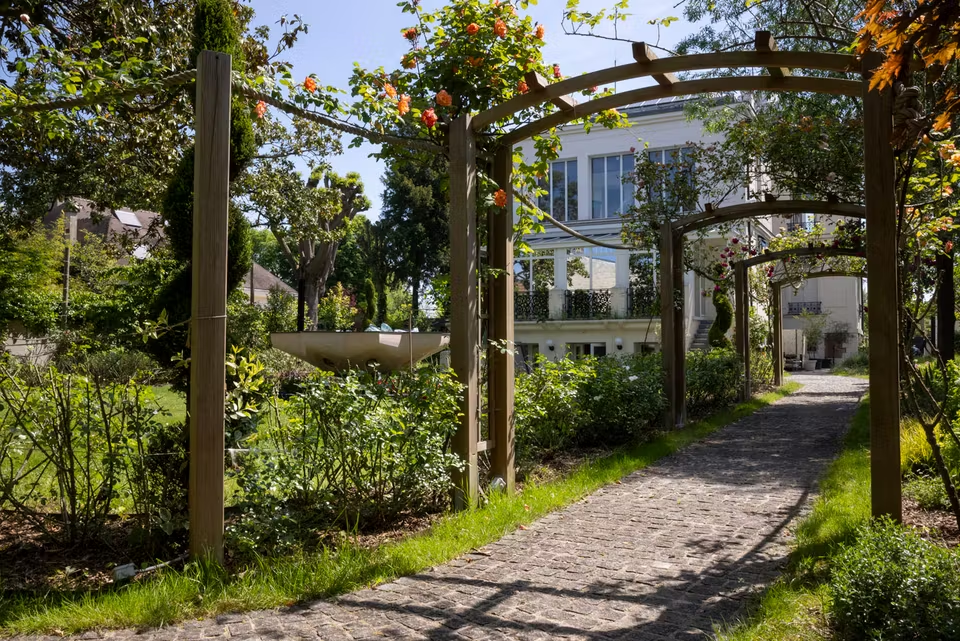
On the banks of the Seine, in the affluent Parisian suburb of Chatou, a historic manor house has been transformed into a space where Islamic spirituality and museum culture meet. Behind gilded gates and manicured gardens, the building now hosts the Museum of Sufi Art and Culture, a new institution that opened its doors on September 28 with the aim of presenting a more contemplative and inclusive view of Islamic tradition.
At first glance, the setting could easily be mistaken for one of the elegant private villas that line this well-to-do area. The environment is carefully preserved: a quiet courtyard overlooks the Île des Impressionnistes, while rose and jasmine gardens surround the property. The sound of a gentle fountain and soft music inside the building establish an atmosphere designed to calm and focus the visitor’s attention.
This is not a conventional museum space. It is intentionally immersive, blending architecture, nature, and sound to create an experience that reflects the spiritual themes it seeks to represent.
A Museum Shaped by Sufi Thought
The institution is financed by the MTO Shahmaghsoudi School of Islamic Sufism, a community focused on the mystical dimension of Islam. The museum’s curatorial approach reflects this orientation, emphasizing reflection, symbolism, and spiritual interpretation rather than historical documentation alone.
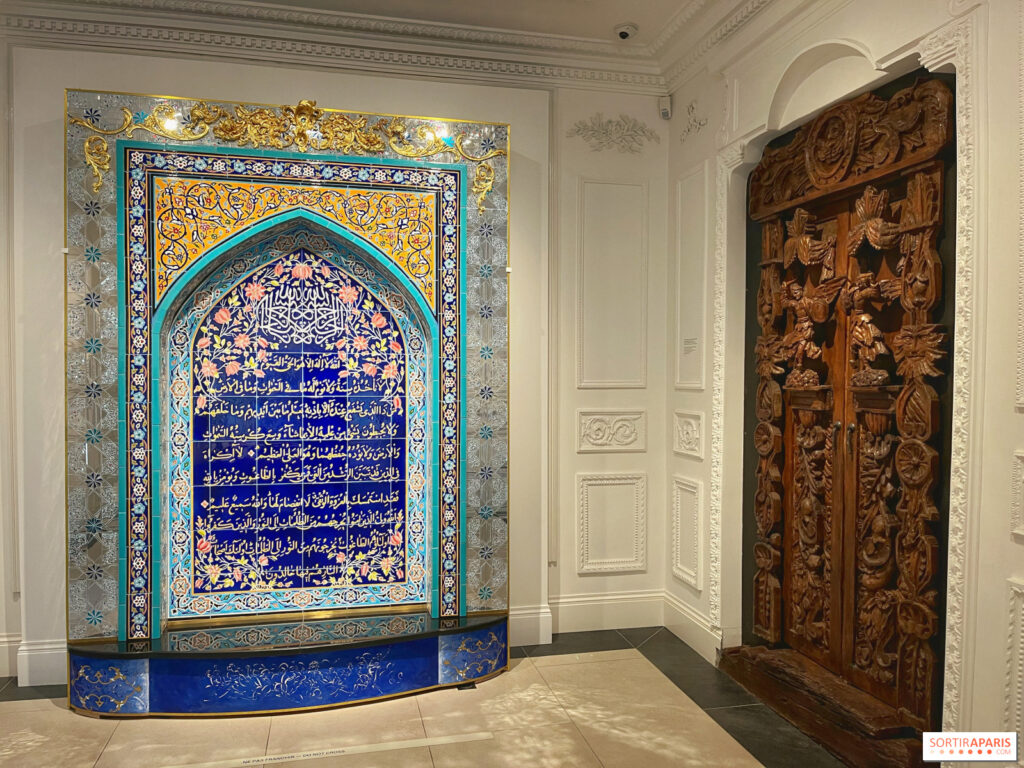
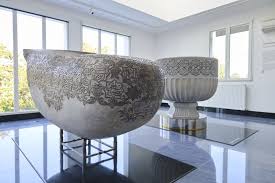
Inside the museum, objects are displayed not simply as artifacts, but as expressions of an inner spiritual journey. Carefully crafted walking canes, carved coconut vessels used as begging bowls, and other ritual objects are presented as symbols of detachment from material life and devotion to higher spiritual principles.
Even items that might traditionally be associated with conflict or physical struggle, such as small ceremonial axes, are reinterpreted. In this context, they are explained as symbolic tools representing the cutting of ties with ego and worldly attachment rather than instruments of violence.
This reinterpretation reflects a broader curatorial philosophy: transforming material culture into spiritual metaphor.
Spiritual Objects and Symbolic Meanings
A distinctive feature of the museum is the way everyday or historical objects are recontextualized. Instead of focusing on their functional or military origins, the exhibition emphasizes their philosophical and symbolic dimensions.
Visitors encounter objects that are linked to Sufi traditions of asceticism, introspection, and spiritual discipline. These artifacts are presented as part of a broader narrative about the human search for meaning and transcendence.
Multimedia elements are also integrated into the exhibition. A holographic presentation of a Sufi master delivers teachings in Persian, reinforcing the idea that spiritual knowledge is transmitted across both traditional and modern forms of communication.
The result is an exhibition space where physical objects, digital media, and environmental design work together to create a unified sensory and intellectual experience.
A Calm and Immersive Environment
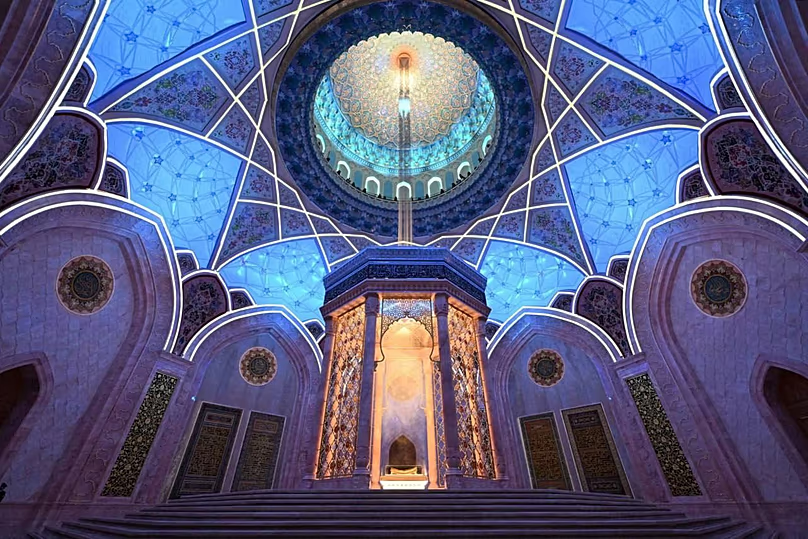
The museum’s design plays a central role in shaping how visitors engage with its content. Rather than adopting a neutral or minimalist gallery approach, the space is carefully staged to evoke tranquility and reflection.
Natural elements such as gardens, water features, and filtered light are combined with curated soundscapes that guide visitors through the rooms. This approach aligns with the museum’s intention to encourage contemplation rather than passive observation.
The overall effect is closer to a meditative environment than a traditional museum visit. The visitor is not only observing objects but is also invited to slow down, listen, and reflect.
Islam in a Contemporary Cultural Context
The opening of the Museum of Sufi Art and Culture reflects a broader trend in how Islamic heritage is being presented in cultural institutions. Rather than focusing solely on historical narratives or geopolitical interpretations, this approach highlights internal diversity within Islam, particularly its mystical traditions.
Sufism, often described as the spiritual or contemplative dimension of Islam, emphasizes personal experience, inner purification, and symbolic interpretation. By centering this tradition, the museum offers an alternative perspective on Islamic culture—one that prioritizes spirituality, aesthetics, and philosophical inquiry.
This framing also positions Islamic heritage within a global museum landscape increasingly focused on dialogue, inclusivity, and cross-cultural understanding.
Between Tradition and Modern Exhibition Practices
The museum blends traditional spiritual themes with contemporary exhibition strategies. Digital installations, carefully designed sensory environments, and narrative reinterpretations of objects all contribute to a modern curatorial language.
At the same time, the content remains rooted in historical and religious tradition. The objects displayed are linked to long-standing practices of Sufi communities, while the teachings presented in the exhibition draw on established philosophical and spiritual texts.
This combination creates a hybrid space where ancient traditions are not preserved in isolation but reactivated through modern museum techniques.
A Space for Reflection Rather Than Authority
Unlike many religious or historical museums that emphasize chronology or doctrine, this institution focuses on introspection and interpretation. Visitors are not presented with a single authoritative narrative. Instead, they are invited to engage with symbolism and reflect on meaning in a personal way.
The emphasis on calm, sensory experience reinforces this approach. The museum functions less as an educational institution in the traditional sense and more as a space for contemplation.
This shift reflects broader changes in museum practice, where emotional and experiential engagement increasingly complements factual presentation.
Conclusion: A Quiet Reframing of Islamic Heritage
The Museum of Sufi Art and Culture in Chatou represents a distinctive approach to presenting Islamic heritage in a contemporary context. Through its carefully designed environment, symbolic interpretation of objects, and focus on spiritual reflection, it expands the way religious traditions can be experienced in museum spaces.
Rather than separating art, spirituality, and daily life, the institution brings them together in a single immersive setting. In doing so, it offers a perspective on Islam that emphasizes contemplation, symbolism, and inner transformation—presented through the language of modern museology.